
The Inner Work of Asking (Part 3): Do We Trust Generosity?
They told me I owed them nearly $2,000 and needed to pay it immediately.
I had been working at the nonprofit for only three months. The organization had mistakenly failed to deduct the cost of my health insurance from my paychecks. They now wanted the full amount back, and I didn’t have the money.
I called my sister in tears. She listened, helped me calm down, and suggested that I ask the organization to set up a repayment plan I could manage. That was my plan.
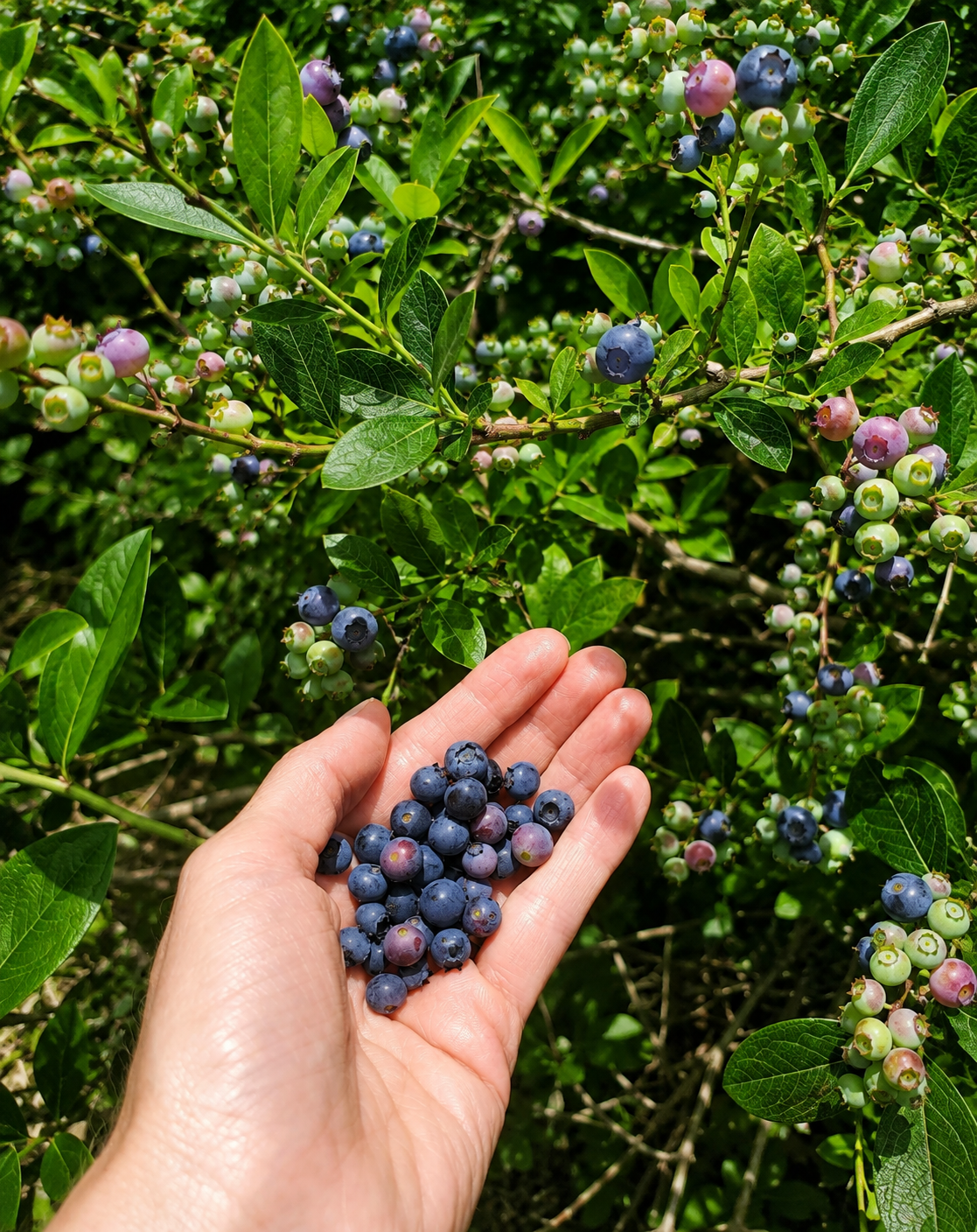
Season of abundance in northern Minnesota.
A few days later, an envelope arrived in the mail. Inside was a check for $1,000.
My sister had told her husband what had happened. He realized that he had the ability to help us, and he decided to do so.
I had not asked him for money. I had not made a compelling case or described the impact of his gift. He simply heard that someone he cared about was struggling, recognized that he could help, and responded.
It was one of the first times I truly experienced grace as I had heard it described in the Methodist tradition: something freely given, not because I had earned it, but because someone chose to offer it.
Years later, during the early months of COVID, a young person we knew missed two weeks of work. They had no paid time off and didn’t have the money to pay rent. This time, we had the ability to help.
I don’t remember consciously thinking that we were repaying the gift we had once received. The people and circumstances were entirely different, but I believe that earlier act of generosity had changed us. We knew what it felt like to receive help without judgment, conditions, or an expectation of repayment.
The gift had not ended with us. It had become part of what we were able to offer someone else.
In The Serviceberry: Abundance and Reciprocity in the Natural World, Robin Wall Kimmerer invites us to imagine an economy shaped not only by accumulation and exchange, but by gratitude, relationship, and reciprocity.
A gift does more than transfer something from one person to another. It creates connection.
It reminds us that none of us is entirely self-sufficient. We receive from other people, our communities, and the natural world. In turn, we have opportunities to contribute to the well-being of others.
This is not a sentimental denial of scarcity. My financial distress was real. The young person’s lost wages were real. Many people and organizations face genuine shortages of money, time, housing, food, care, and opportunity.
Scarcity is often a moment in a larger cycle. In the natural world, late winter and early spring can be lean seasons. That scarcity is real, but it is not permanent. New growth and abundance will come again.
The same was true for me. I did not have enough in that moment. Later, our circumstances changed, and we had enough to help someone else.
Abundance does not mean pretending that everyone always has enough. It means trusting that scarcity is not necessarily the whole story and that generosity can help carry us from one season to the next.
This brings us to the deepest inner work of asking.
Our relationship to money influences how we fundraise. Our confidence in the mission influences whether we feel comfortable making the invitation. Our relationship to generosity reaches deeper still. It rests on what we believe about people.
Do we trust that people want to share their abundance?
Do we believe that giving can bring joy and meaning?
Do we see donors primarily as sources of funding or as partners in creating a better world?
Those answers shape the way we ask. When we assume that giving is primarily a loss, we may approach donors apologetically. We soften the request, rush through it, or avoid it altogether. Fundraising begins to feel like persuading people to surrender something they would rather keep.
What changes when we believe that people want their lives and resources to mean something?
A donor may want to respond to an issue that troubles them, honor someone they love, express gratitude, or help create a future they believe in.
The fundraiser’s role is not to manufacture generosity. It is to create the conditions in which generosity can find meaningful expression. That means seeing the person in front of us as more than a potential gift. It requires curiosity about what they value, respect for their choices, and trust that a clear invitation is not pressure. It is an opening.
Not everyone will give. A genuine invitation must leave room for both a no and a wholehearted yes.
A check arrived in our mailbox when we needed it most. Years later, another gift moved outward from our household.
Our place in the cycle changes. Sometimes we need support. Other times, we are able to offer it.
The inner work of asking is learning to trust that receiving and giving are both part of the cycle.