
The Inner Work of Asking (Part 1): Our Relationship to Money
Fundraising often gets framed in terms of strategy, campaigns, donor pipelines, and metrics. Yes, those things matter. Yet the people who seem most effective and most sustained by the work over time are often those willing to engage at a deeper level.
Beneath the tactics, something quieter and more profound is unfolding.
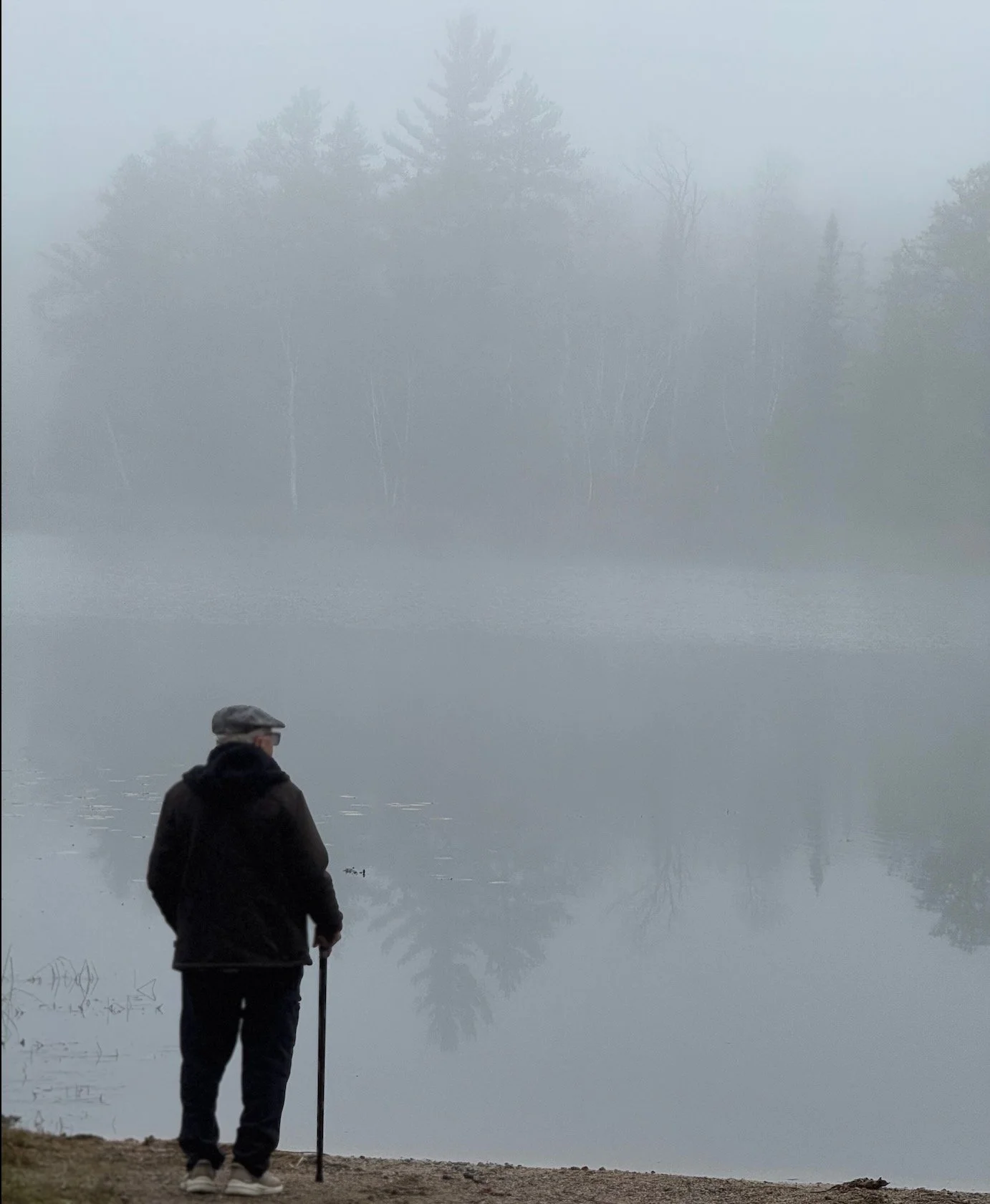
Fundraising can invite us into deeper self-awareness. If we listen closely, we can hear it ask:
Do I truly believe in the work I’m inviting someone to support?
What stories, fears, or judgments do I carry about wealth and people who have it?
Can I trust that generosity is not born from scarcity, but from a deeper sense of abundance and belonging?
I’ll unpack each of these questions over the next few months. For now, let’s begin with one of the most challenging: our relationship to money.
Money stories matter.
We live in a class society, and our experiences with money and generosity are shaped by power, class, and lived experience.
If you work in fundraising, you will inevitably be in relationship with people who have wealth. That reality can stir up beliefs, acknowledged or not, such as:
“I’m less than them,” or “They’re less than me.”
“I have too much,” or “I don’t have enough.”
Those beliefs often surface as hesitation, discomfort, overcompensation, distance, or resentment. Donors can usually feel that, even when it goes unspoken. When we're carrying unresolved beliefs about money or wealth, they often show up as awkwardness, deference, defensiveness, or distance in our relationships.
Self-awareness creates freedom.
The more aware and grounded you are in your own relationship to money, class, and worth, the more authentic you can be in relationship with others. That awareness may come through reflection, candid conversation, coaching, therapy, spiritual practice, or simply lived experience.
None of this is about getting it right. It’s about asking yourself:
What do I believe about money?
How do I feel around people I perceive as wealthy?
Where do I feel aligned? Where do I feel tension?
These are not one-time questions. Growth, experience, and the changing world will reshape your answers over time.
Fundraising will always require strategy, methodology, and skill. But asking is also an invitation: to examine our assumptions, deepen our relationships, and better understand our own relationship to money, worth, and generosity.
In that sense, fundraising is more than a profession. It is a practice—one of reflection, connection, and helping people more fully live their values.
If this resonates with you, I’d love to hear what fundraising has taught you about your own relationship with money, worth, or generosity.