
Grit vs. Stubbornness
They say the temperature may drop low enough tonight that sap can expand until some trees literally explode. People say, “It takes grit to live up Nort’,” and these days are what they have in mind.
Living up here, I understand the difference between a tenacity that energizes you and a stubbornness that slowly wears you down.
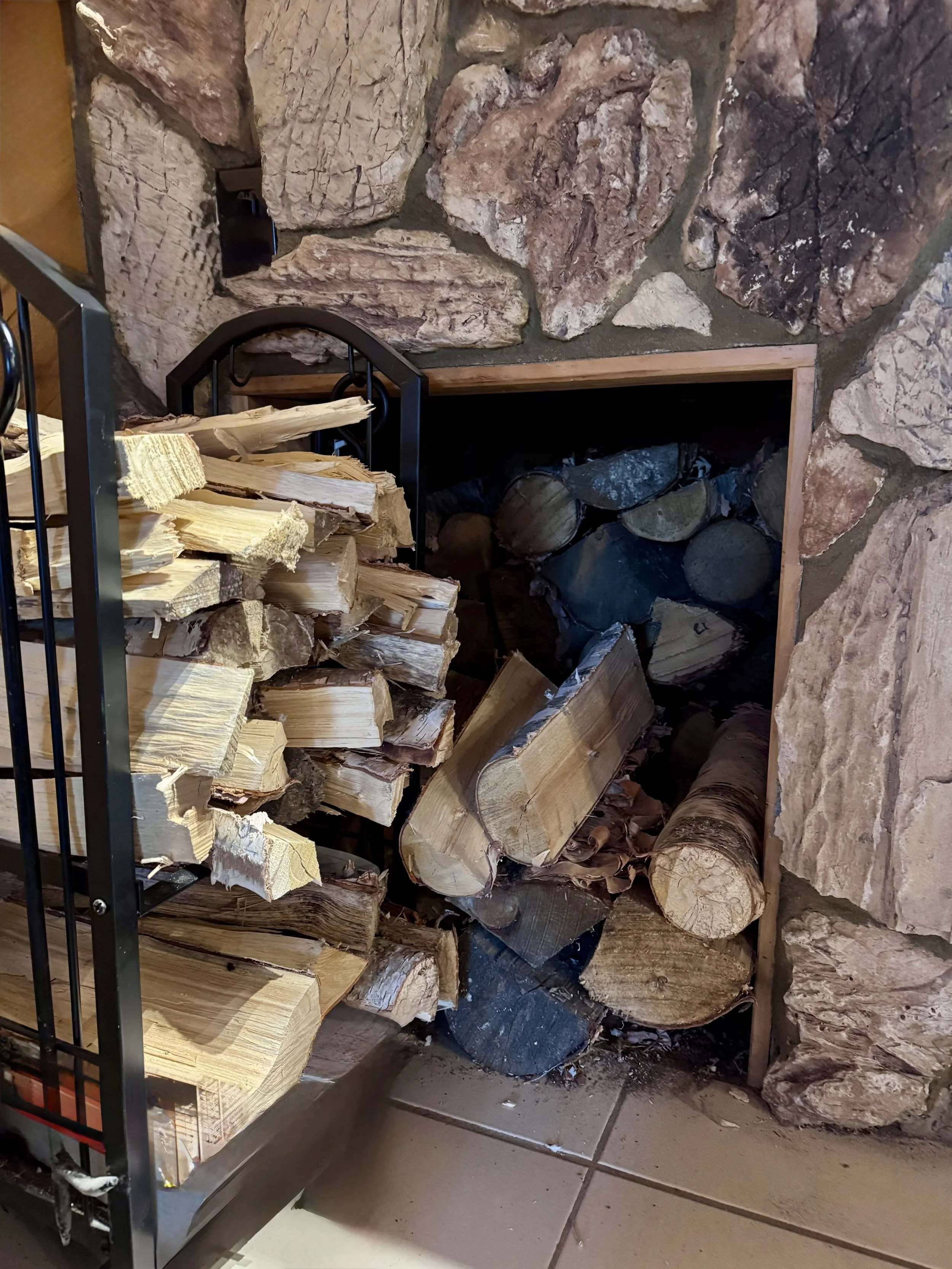
Stacking as much firewood as humanly possible before the temperature plummets, even though I’m tired and it’s cold out, that’s tenacity.
Deciding you must do a particular outdoor chore on a specific day, even when the high will be –12º, simply because that’s what you had scheduled? That’s stubbornness.
Where things get complicated is in discerning what’s tenacity and what’s stubbornness, especially for those of us raised to be hard workers. When things get hard, our default is to double down and work harder. We tell ourselves it’s grit, but it’s often stubbornness, and over time, it takes a real toll.
So what’s a healthy, tenacious approach to surviving (and thriving) through hard things?
At its best, tenacity is a blend of qualities that help you sustain effort over the long haul. Angela Duckworth, in Grit: The Power of Passion and Perseverance, identifies four characteristics of what she calls “mature” grit:
Enjoying the work—being intrinsically interested in what you’re doing
The capacity and commitment to practice, day after day, year after year
A belief that the work matters—that it serves a larger purpose
Hopefulness—either by nature or by choice—that the goal or mission is possible, even when things aren’t going as planned
You can see this clearly in my wood-stacking example:
I enjoy stacking wood.
I’m good at it. We’ve worked out a smart system, and I have the right tools.
It has a purpose. While we heat with electricity, the fireplace keeps our bills down and makes the house feel deeply cozy on winter days.
And yes, it feeds my hopeful belief that you can live well in the sub-zeros.
Discernment is the key to differentiating the tenacity it takes to stack wood and the stubbornness that showed up when I insisted on changing out my car battery in subzero temperatures. Tenacity isn’t reactive. It isn’t performative. It isn’t rooted in a hardened heart or inherited scripts about suffering and worth that seeped into our cells from our families, religion or culture.
True tenacity is centered. It asks questions. It adapts. And sometimes, it knows when to rest or choose a different path altogether.
If you’re feeling worn down rather than energized by your work or your life, it may not be a “work harder” problem. It may be an invitation to pause, reflect, and redesign.
This is the work I do with coaching clients, helping people discern what’s worth persevering toward and what may be stubbornness masquerading as virtue. If you’re curious about that kind of reflection and support, I’d love to talk with you. You can learn more about my coaching practice here or reach out directly.
You don’t have to exhaust yourself to prove your commitment. What feels like a grind to you could be inspired, even holy, work for someone else. There are so many ways to live this one beautiful life.
Is your way energizing you, or grinding you down?